Why This Lab Is Important
+
Health and longevity are influenced by a combination of cardiovascular, metabolic and nutritional factors that work together to support energy, resilience and disease prevention. Many chronic conditions—including heart disease, metabolic dysfunction and nutrient deficiencies—develop gradually over time and may not produce obvious symptoms in their early stages. Comprehensive lab testing can help identify subtle changes before they progress into more serious health concerns.*
The Durable WELLNESS ESSENTIAL panel provides a broad overview of key health markers by evaluating cardiovascular risk, metabolic function, inflammation and nutrient levels. This includes a full lipid profile and ApoB to assess cholesterol-related risk, hs-CRP to evaluate inflammation, and blood sugar markers such as HA1C and insulin to provide insight into glucose regulation and metabolic health. The panel also measures essential nutrients including vitamin D, B12, folate and ferritin, along with a CBC and CMP, which together include multiple markers that reflect overall physiological function.*
Cardiovascular risk, blood sugar regulation, inflammation and nutrient status are closely connected and often influence one another. Rather than looking at these markers in isolation, Dr. Passero uses the Durable WELLNESS ESSENTIAL panel to assess how these systems interact. Imbalances in one area can contribute to changes in another, so evaluating these markers together provides a more complete picture of overall health. This comprehensive approach helps identify early patterns that may benefit from targeted nutrition, lifestyle or supplementation strategies.*
Dr. Passero recommends the Durable WELLNESS ESSENTIAL panel for anyone seeking to:*
What’s Included in the Durable WELLNESS ESSENTIAL Panel
This panel includes the following markers that provide insight into cardiovascular, metabolic and overall health:*
What to Expect After Ordering Your Lab Test
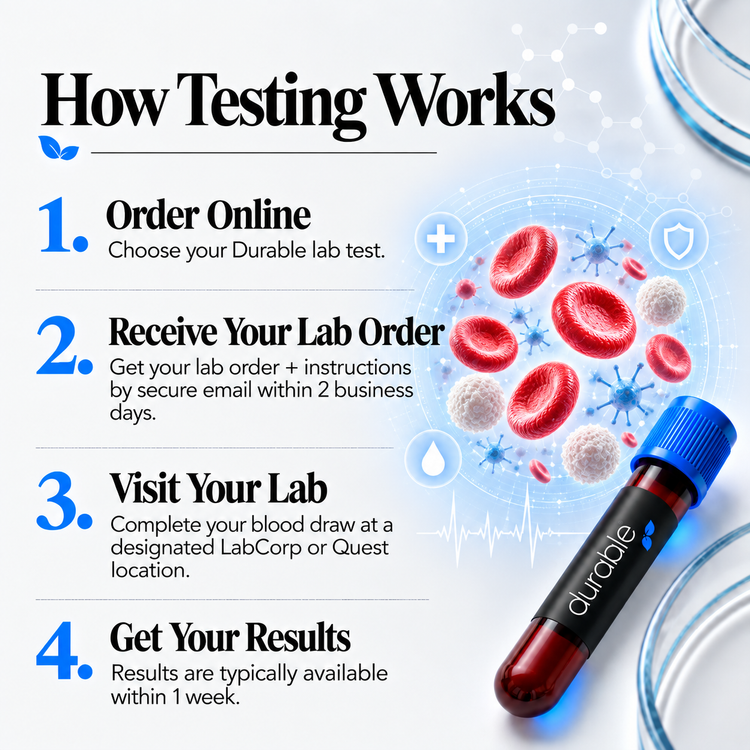
After purchasing a lab test from Durable, you’ll receive an order confirmation right away. Your lab order will be emailed separately within two business days. All lab-related communications—including your lab order, instructions and results notifications—are sent via encrypted, HIPAA-compliant email from labs@livedurable.com. To ensure timely delivery, we recommend adding this address to your contacts and checking your spam or promotions folder.
Lab Locations
We've partnered with LabCorp and Quest Diagnostics for convenient blood draw locations nationwide. Once your lab order is emailed to you, it will designate the most convenient location based on your address. You should contact the lab directly to schedule an appointment, and we recommend having your blood draw performed within 2-4 weeks. If you have any concerns about the selected location, please email labs@livedurable.com to explore alternative options.
Timing of Results
Once your blood draw is complete, most results are available within one week. You’ll receive an email notification from labs@livedurable.com when your results are ready to review.
How to Interpret Results
All test results include a lab-generated reference range reflecting values commonly seen in a healthy population. Results are flagged only when they fall outside this range as high or low. While these reference ranges provide helpful context, results are best interpreted alongside your health history, symptoms and trends over time and should be reviewed with your healthcare practitioner.
If you are interested in a virtual lab review with Dr. Passero, you may email his office at GetHealthy@DrKevinPassero.com to schedule an appointment.
The Durable WELLNESS ESSENTIAL panel provides a broad overview of key health markers by evaluating cardiovascular risk, metabolic function, inflammation and nutrient levels. This includes a full lipid profile and ApoB to assess cholesterol-related risk, hs-CRP to evaluate inflammation, and blood sugar markers such as HA1C and insulin to provide insight into glucose regulation and metabolic health. The panel also measures essential nutrients including vitamin D, B12, folate and ferritin, along with a CBC and CMP, which together include multiple markers that reflect overall physiological function.*
Cardiovascular risk, blood sugar regulation, inflammation and nutrient status are closely connected and often influence one another. Rather than looking at these markers in isolation, Dr. Passero uses the Durable WELLNESS ESSENTIAL panel to assess how these systems interact. Imbalances in one area can contribute to changes in another, so evaluating these markers together provides a more complete picture of overall health. This comprehensive approach helps identify early patterns that may benefit from targeted nutrition, lifestyle or supplementation strategies.*
Dr. Passero recommends the Durable WELLNESS ESSENTIAL panel for anyone seeking to:*
- Establish a comprehensive baseline of overall health
- Assess cardiovascular, metabolic and inflammation-related risk factors
- Identify nutrient deficiencies that may impact energy, immune function or long-term health
- Monitor how diet, lifestyle or supplementation are influencing key health markers
What’s Included in the Durable WELLNESS ESSENTIAL Panel
This panel includes the following markers that provide insight into cardiovascular, metabolic and overall health:*
- CMP (Comprehensive Metabolic Panel)—The CMP includes 14 individual tests that provide insight into metabolic health, liver function, kidney function and electrolyte balance. These markers help assess how the body processes nutrients, maintains fluid balance and supports overall physiological function.*
- CBC (Complete Blood Count)—The CBC includes 14 individual tests that evaluate red blood cells, white blood cells, platelets and overall blood health. These markers provide insight into oxygen delivery, immune function and general physiological balance, helping identify patterns that may influence energy levels and overall well-being.*
- Total Cholesterol—Total cholesterol reflects the combined amount of cholesterol circulating in your blood, including LDL, HDL and other lipid particles. This marker provides useful context when interpreted alongside the individual components of the panel.
- LDL (Low-Density Lipoprotein)—LDL is often referred to as “bad” cholesterol, and for good reason. LDL particles transport cholesterol through the bloodstream and can deposit it into artery walls. This process can trigger inflammation, promote plaque formation, and increase the risk of heart disease, stroke and cognitive decline. Elevated LDL is one of the strongest predictors of long-term cardiovascular risk.
- HDL (High-Density Lipoprotein)—HDL is considered protective because it helps remove excess cholesterol from the bloodstream and artery walls and transports it back to the liver for clearance. Adequate HDL levels support this cleanup process and help counterbalance cardiovascular risk. However, extremely high HDL levels (generally above 90) are not necessarily protective and do not offset the risks associated with elevated LDL level.
- Triglycerides—Triglycerides are a form of fat used by the body for energy storage. Their levels are closely tied to blood sugar regulation, insulin sensitivity and overall metabolic health. Elevated triglycerides often signal underlying metabolic stress, such as insulin resistance or poor glucose control, and are associated with increased cardiovascular risk, particularly when combined with high LDL or low HDL.
- ApoB (Apolipoprotein B)—ApoB is a protein found on the surface of LDL particles, with one ApoB molecule per particle. Measuring ApoB provides a precise way to determine the number of LDL particles circulating in the blood. Because each LDL particle has the potential to contribute to plaque formation, ApoB offers a clearer picture of cardiovascular risk than LDL cholesterol alone and is widely recognized as one of the strongest predictors of heart attack risk.
- hs-CRP (High-sensitivity C-reactive protein)—C-reactive protein (CRP) is an inflammatory marker produced by the liver in response to injury, infection or other physiological stress. Elevated hs-CRP levels are associated with inflammation in the blood vessels and increased cardiovascular risk. Because hs-CRP can detect lower levels of inflammation than standard CRP testing, it provides more sensitive insight into inflammation that may contribute to plaque formation and heart disease.
- Fasting Insulin—Insulin is the hormone responsible for moving glucose from the bloodstream into cells for energy. Elevated insulin levels often indicate insulin resistance, meaning the body must produce more insulin to maintain blood sugar in a healthy range—an early and common sign of metabolic dysfunction. Measuring insulin in a fasted state is critical, as eating can temporarily raise insulin levels and obscure early signs of insulin resistance.
- HA1C (Hemoglobin A1C)—HA1C reflects average blood sugar levels over the past 12 weeks, offering a longer-term view of blood sugar regulation. Unlike fasting glucose or insulin, HA1C is not affected by short-term changes and helps identify sustained patterns of blood sugar elevations that may signal ongoing metabolic strain or increased diabetes risk.
- Vitamin D (25-Hydroxyvitamin D)—25-hydroxyvitamin D is the primary circulating form of vitamin D and the most accurate marker of overall vitamin D status. It reflects vitamin D produced from sunlight as well as what is obtained through food and supplementation. Adequate levels support many aspects of health including calcium absorption, bone strength, heart health and balanced immune function, while low levels are common and may contribute to symptoms like fatigue, reduced immune resilience and broader long-term health concerns.
- Vitamin B12 & Folate—Vitamin B12 and folate are essential B vitamins involved in red blood cell formation, DNA synthesis and nervous system function. Adequate levels support energy production, cognitive health and healthy nerve function. Low levels may contribute to fatigue, brain fog, mood changes and impaired neurological function.
- Ferritin—Ferritin reflects the body’s stored iron and is considered the most reliable marker for detecting iron deficiency. Adequate iron stores are essential for oxygen transport, cellular energy production and overall vitality. Low ferritin levels may contribute to fatigue, reduced endurance and impaired cognitive function, while abnormal levels can also provide insight into underlying inflammation or metabolic imbalance. Measuring ferritin helps assess overall iron status and its impact on energy and general health.*
What to Expect After Ordering Your Lab Test
After purchasing a lab test from Durable, you’ll receive an order confirmation right away. Your lab order will be emailed separately within two business days. All lab-related communications—including your lab order, instructions and results notifications—are sent via encrypted, HIPAA-compliant email from labs@livedurable.com. To ensure timely delivery, we recommend adding this address to your contacts and checking your spam or promotions folder.
Lab Locations
We've partnered with LabCorp and Quest Diagnostics for convenient blood draw locations nationwide. Once your lab order is emailed to you, it will designate the most convenient location based on your address. You should contact the lab directly to schedule an appointment, and we recommend having your blood draw performed within 2-4 weeks. If you have any concerns about the selected location, please email labs@livedurable.com to explore alternative options.
Timing of Results
Once your blood draw is complete, most results are available within one week. You’ll receive an email notification from labs@livedurable.com when your results are ready to review.
How to Interpret Results
All test results include a lab-generated reference range reflecting values commonly seen in a healthy population. Results are flagged only when they fall outside this range as high or low. While these reference ranges provide helpful context, results are best interpreted alongside your health history, symptoms and trends over time and should be reviewed with your healthcare practitioner.
If you are interested in a virtual lab review with Dr. Passero, you may email his office at GetHealthy@DrKevinPassero.com to schedule an appointment.
Lab-Specific FAQs
+
What does the Durable WELLNESS ESSENTIAL panel test for?
CMP, CBC, total cholesterol, LDL, HDL, triglycerides, ApoB, hs-CRP, fasting insulin, HA1C, vitamin D, vitamin B12 & folate and ferritin.*
Do I need to fast or follow any special instructions prior to this test?
Yes. The Durable WELLNESS ESSENTIAL panel requires 10-12 hours of fasting prior to testing. Water is allowed during the fasting period, but other beverages should be avoided for the most accurate results.*
Can I take medications beforehand?
Yes. Most medications do not interfere with the tests in this panel. Do not stop medications unless directed by your healthcare practitioner.*
Will recent diet or alcohol intake affect my results?
Yes. Recent dietary choices and alcohol intake can temporarily influence lipid levels (particularly triglycerides), glucose and insulin levels. Eating late, consuming high-carbohydrate or high-sugar meals, or drinking alcohol the evening before testing may cause results to appear higher than your usual baseline. Following fasting instructions and testing under typical conditions helps ensure more accurate results.*
How often should I get this test?
Dr. Passero recommends routine monitoring of these markers, with testing every 3-6 months for most adults. Re-testing at the recommended interval allows you and your healthcare practitioner to monitor trends over time, assess how your body is responding to lifestyle or nutritional changes and make informed adjustments. Testing frequency should be individualized based on risk factors, clinical context and your doctor’s recommendations.*
Does insurance cover the cost of my tests?
Lab tests must be paid for in full at checkout using a credit card, a supported payment platform (such as Shop Pay, PayPal, Google Pay or Venmo), or an eligible FSA/HSA debit card. In some cases, health insurance providers may reimburse individuals for lab testing. You can contact your insurance provider directly to determine whether reimbursement is available. Please note that Durable is unable to provide insurance paperwork or assist with claim submission.
Can I get a refund if I choose not to get my lab work?
Yes. You may request a refund within 365 days of purchase, as long as you have not visited the lab and had your blood drawn.
Can I use a coupon when purchasing my lab test?
At this time, promotions and coupons cannot be applied to lab testing. Lab pricing reflects the cost of clinical testing and processing, and discounts are not available for these services. However, you can redeem Durable REWARDS points at checkout, and when you purchase a lab order, you’ll earn additional points.
Is this blood test for adults only?
Durable lab testing is intended for adults 18 years and older. Testing for individuals under 18 is only recommended when directed by a qualified healthcare provider.*
CMP, CBC, total cholesterol, LDL, HDL, triglycerides, ApoB, hs-CRP, fasting insulin, HA1C, vitamin D, vitamin B12 & folate and ferritin.*
Do I need to fast or follow any special instructions prior to this test?
Yes. The Durable WELLNESS ESSENTIAL panel requires 10-12 hours of fasting prior to testing. Water is allowed during the fasting period, but other beverages should be avoided for the most accurate results.*
Can I take medications beforehand?
Yes. Most medications do not interfere with the tests in this panel. Do not stop medications unless directed by your healthcare practitioner.*
Will recent diet or alcohol intake affect my results?
Yes. Recent dietary choices and alcohol intake can temporarily influence lipid levels (particularly triglycerides), glucose and insulin levels. Eating late, consuming high-carbohydrate or high-sugar meals, or drinking alcohol the evening before testing may cause results to appear higher than your usual baseline. Following fasting instructions and testing under typical conditions helps ensure more accurate results.*
How often should I get this test?
Dr. Passero recommends routine monitoring of these markers, with testing every 3-6 months for most adults. Re-testing at the recommended interval allows you and your healthcare practitioner to monitor trends over time, assess how your body is responding to lifestyle or nutritional changes and make informed adjustments. Testing frequency should be individualized based on risk factors, clinical context and your doctor’s recommendations.*
Does insurance cover the cost of my tests?
Lab tests must be paid for in full at checkout using a credit card, a supported payment platform (such as Shop Pay, PayPal, Google Pay or Venmo), or an eligible FSA/HSA debit card. In some cases, health insurance providers may reimburse individuals for lab testing. You can contact your insurance provider directly to determine whether reimbursement is available. Please note that Durable is unable to provide insurance paperwork or assist with claim submission.
Can I get a refund if I choose not to get my lab work?
Yes. You may request a refund within 365 days of purchase, as long as you have not visited the lab and had your blood drawn.
Can I use a coupon when purchasing my lab test?
At this time, promotions and coupons cannot be applied to lab testing. Lab pricing reflects the cost of clinical testing and processing, and discounts are not available for these services. However, you can redeem Durable REWARDS points at checkout, and when you purchase a lab order, you’ll earn additional points.
Is this blood test for adults only?
Durable lab testing is intended for adults 18 years and older. Testing for individuals under 18 is only recommended when directed by a qualified healthcare provider.*
Durable WELLNESS ESSENTIAL Panel®
Dr. Passero recommends this broad screening panel to assess cardiovascular, metabolic and nutrient-related markers, including cholesterol, ApoB, HA1C, insulin, and key nutrients like vitamin D and B12—providing a strong foundation for proactive wellness planning.*

Suggested Frequency: Every 3-6 Months

Couldn't load pickup availability

Why This Lab Is Important
+
Health and longevity are influenced by a combination of cardiovascular, metabolic and nutritional factors that work together to support energy, resilience and disease prevention. Many chronic conditions—including heart disease, metabolic dysfunction and nutrient deficiencies—develop gradually over time and may not produce obvious symptoms in their early stages. Comprehensive lab testing can help identify subtle changes before they progress into more serious health concerns.*
The Durable WELLNESS ESSENTIAL panel provides a broad overview of key health markers by evaluating cardiovascular risk, metabolic function, inflammation and nutrient levels. This includes a full lipid profile and ApoB to assess cholesterol-related risk, hs-CRP to evaluate inflammation, and blood sugar markers such as HA1C and insulin to provide insight into glucose regulation and metabolic health. The panel also measures essential nutrients including vitamin D, B12, folate and ferritin, along with a CBC and CMP, which together include multiple markers that reflect overall physiological function.*
Cardiovascular risk, blood sugar regulation, inflammation and nutrient status are closely connected and often influence one another. Rather than looking at these markers in isolation, Dr. Passero uses the Durable WELLNESS ESSENTIAL panel to assess how these systems interact. Imbalances in one area can contribute to changes in another, so evaluating these markers together provides a more complete picture of overall health. This comprehensive approach helps identify early patterns that may benefit from targeted nutrition, lifestyle or supplementation strategies.*
Dr. Passero recommends the Durable WELLNESS ESSENTIAL panel for anyone seeking to:*
What’s Included in the Durable WELLNESS ESSENTIAL Panel
This panel includes the following markers that provide insight into cardiovascular, metabolic and overall health:*
What to Expect After Ordering Your Lab Test
After purchasing a lab test from Durable, you’ll receive an order confirmation right away. Your lab order will be emailed separately within two business days. All lab-related communications—including your lab order, instructions and results notifications—are sent via encrypted, HIPAA-compliant email from labs@livedurable.com. To ensure timely delivery, we recommend adding this address to your contacts and checking your spam or promotions folder.
Lab Locations
We've partnered with LabCorp and Quest Diagnostics for convenient blood draw locations nationwide. Once your lab order is emailed to you, it will designate the most convenient location based on your address. You should contact the lab directly to schedule an appointment, and we recommend having your blood draw performed within 2-4 weeks. If you have any concerns about the selected location, please email labs@livedurable.com to explore alternative options.
Timing of Results
Once your blood draw is complete, most results are available within one week. You’ll receive an email notification from labs@livedurable.com when your results are ready to review.
How to Interpret Results
All test results include a lab-generated reference range reflecting values commonly seen in a healthy population. Results are flagged only when they fall outside this range as high or low. While these reference ranges provide helpful context, results are best interpreted alongside your health history, symptoms and trends over time and should be reviewed with your healthcare practitioner.
If you are interested in a virtual lab review with Dr. Passero, you may email his office at GetHealthy@DrKevinPassero.com to schedule an appointment.
The Durable WELLNESS ESSENTIAL panel provides a broad overview of key health markers by evaluating cardiovascular risk, metabolic function, inflammation and nutrient levels. This includes a full lipid profile and ApoB to assess cholesterol-related risk, hs-CRP to evaluate inflammation, and blood sugar markers such as HA1C and insulin to provide insight into glucose regulation and metabolic health. The panel also measures essential nutrients including vitamin D, B12, folate and ferritin, along with a CBC and CMP, which together include multiple markers that reflect overall physiological function.*
Cardiovascular risk, blood sugar regulation, inflammation and nutrient status are closely connected and often influence one another. Rather than looking at these markers in isolation, Dr. Passero uses the Durable WELLNESS ESSENTIAL panel to assess how these systems interact. Imbalances in one area can contribute to changes in another, so evaluating these markers together provides a more complete picture of overall health. This comprehensive approach helps identify early patterns that may benefit from targeted nutrition, lifestyle or supplementation strategies.*
Dr. Passero recommends the Durable WELLNESS ESSENTIAL panel for anyone seeking to:*
- Establish a comprehensive baseline of overall health
- Assess cardiovascular, metabolic and inflammation-related risk factors
- Identify nutrient deficiencies that may impact energy, immune function or long-term health
- Monitor how diet, lifestyle or supplementation are influencing key health markers
What’s Included in the Durable WELLNESS ESSENTIAL Panel
This panel includes the following markers that provide insight into cardiovascular, metabolic and overall health:*
- CMP (Comprehensive Metabolic Panel)—The CMP includes 14 individual tests that provide insight into metabolic health, liver function, kidney function and electrolyte balance. These markers help assess how the body processes nutrients, maintains fluid balance and supports overall physiological function.*
- CBC (Complete Blood Count)—The CBC includes 14 individual tests that evaluate red blood cells, white blood cells, platelets and overall blood health. These markers provide insight into oxygen delivery, immune function and general physiological balance, helping identify patterns that may influence energy levels and overall well-being.*
- Total Cholesterol—Total cholesterol reflects the combined amount of cholesterol circulating in your blood, including LDL, HDL and other lipid particles. This marker provides useful context when interpreted alongside the individual components of the panel.
- LDL (Low-Density Lipoprotein)—LDL is often referred to as “bad” cholesterol, and for good reason. LDL particles transport cholesterol through the bloodstream and can deposit it into artery walls. This process can trigger inflammation, promote plaque formation, and increase the risk of heart disease, stroke and cognitive decline. Elevated LDL is one of the strongest predictors of long-term cardiovascular risk.
- HDL (High-Density Lipoprotein)—HDL is considered protective because it helps remove excess cholesterol from the bloodstream and artery walls and transports it back to the liver for clearance. Adequate HDL levels support this cleanup process and help counterbalance cardiovascular risk. However, extremely high HDL levels (generally above 90) are not necessarily protective and do not offset the risks associated with elevated LDL level.
- Triglycerides—Triglycerides are a form of fat used by the body for energy storage. Their levels are closely tied to blood sugar regulation, insulin sensitivity and overall metabolic health. Elevated triglycerides often signal underlying metabolic stress, such as insulin resistance or poor glucose control, and are associated with increased cardiovascular risk, particularly when combined with high LDL or low HDL.
- ApoB (Apolipoprotein B)—ApoB is a protein found on the surface of LDL particles, with one ApoB molecule per particle. Measuring ApoB provides a precise way to determine the number of LDL particles circulating in the blood. Because each LDL particle has the potential to contribute to plaque formation, ApoB offers a clearer picture of cardiovascular risk than LDL cholesterol alone and is widely recognized as one of the strongest predictors of heart attack risk.
- hs-CRP (High-sensitivity C-reactive protein)—C-reactive protein (CRP) is an inflammatory marker produced by the liver in response to injury, infection or other physiological stress. Elevated hs-CRP levels are associated with inflammation in the blood vessels and increased cardiovascular risk. Because hs-CRP can detect lower levels of inflammation than standard CRP testing, it provides more sensitive insight into inflammation that may contribute to plaque formation and heart disease.
- Fasting Insulin—Insulin is the hormone responsible for moving glucose from the bloodstream into cells for energy. Elevated insulin levels often indicate insulin resistance, meaning the body must produce more insulin to maintain blood sugar in a healthy range—an early and common sign of metabolic dysfunction. Measuring insulin in a fasted state is critical, as eating can temporarily raise insulin levels and obscure early signs of insulin resistance.
- HA1C (Hemoglobin A1C)—HA1C reflects average blood sugar levels over the past 12 weeks, offering a longer-term view of blood sugar regulation. Unlike fasting glucose or insulin, HA1C is not affected by short-term changes and helps identify sustained patterns of blood sugar elevations that may signal ongoing metabolic strain or increased diabetes risk.
- Vitamin D (25-Hydroxyvitamin D)—25-hydroxyvitamin D is the primary circulating form of vitamin D and the most accurate marker of overall vitamin D status. It reflects vitamin D produced from sunlight as well as what is obtained through food and supplementation. Adequate levels support many aspects of health including calcium absorption, bone strength, heart health and balanced immune function, while low levels are common and may contribute to symptoms like fatigue, reduced immune resilience and broader long-term health concerns.
- Vitamin B12 & Folate—Vitamin B12 and folate are essential B vitamins involved in red blood cell formation, DNA synthesis and nervous system function. Adequate levels support energy production, cognitive health and healthy nerve function. Low levels may contribute to fatigue, brain fog, mood changes and impaired neurological function.
- Ferritin—Ferritin reflects the body’s stored iron and is considered the most reliable marker for detecting iron deficiency. Adequate iron stores are essential for oxygen transport, cellular energy production and overall vitality. Low ferritin levels may contribute to fatigue, reduced endurance and impaired cognitive function, while abnormal levels can also provide insight into underlying inflammation or metabolic imbalance. Measuring ferritin helps assess overall iron status and its impact on energy and general health.*
What to Expect After Ordering Your Lab Test
After purchasing a lab test from Durable, you’ll receive an order confirmation right away. Your lab order will be emailed separately within two business days. All lab-related communications—including your lab order, instructions and results notifications—are sent via encrypted, HIPAA-compliant email from labs@livedurable.com. To ensure timely delivery, we recommend adding this address to your contacts and checking your spam or promotions folder.
Lab Locations
We've partnered with LabCorp and Quest Diagnostics for convenient blood draw locations nationwide. Once your lab order is emailed to you, it will designate the most convenient location based on your address. You should contact the lab directly to schedule an appointment, and we recommend having your blood draw performed within 2-4 weeks. If you have any concerns about the selected location, please email labs@livedurable.com to explore alternative options.
Timing of Results
Once your blood draw is complete, most results are available within one week. You’ll receive an email notification from labs@livedurable.com when your results are ready to review.
How to Interpret Results
All test results include a lab-generated reference range reflecting values commonly seen in a healthy population. Results are flagged only when they fall outside this range as high or low. While these reference ranges provide helpful context, results are best interpreted alongside your health history, symptoms and trends over time and should be reviewed with your healthcare practitioner.
If you are interested in a virtual lab review with Dr. Passero, you may email his office at GetHealthy@DrKevinPassero.com to schedule an appointment.
Lab-Specific FAQs
+
What does the Durable WELLNESS ESSENTIAL panel test for?
CMP, CBC, total cholesterol, LDL, HDL, triglycerides, ApoB, hs-CRP, fasting insulin, HA1C, vitamin D, vitamin B12 & folate and ferritin.*
Do I need to fast or follow any special instructions prior to this test?
Yes. The Durable WELLNESS ESSENTIAL panel requires 10-12 hours of fasting prior to testing. Water is allowed during the fasting period, but other beverages should be avoided for the most accurate results.*
Can I take medications beforehand?
Yes. Most medications do not interfere with the tests in this panel. Do not stop medications unless directed by your healthcare practitioner.*
Will recent diet or alcohol intake affect my results?
Yes. Recent dietary choices and alcohol intake can temporarily influence lipid levels (particularly triglycerides), glucose and insulin levels. Eating late, consuming high-carbohydrate or high-sugar meals, or drinking alcohol the evening before testing may cause results to appear higher than your usual baseline. Following fasting instructions and testing under typical conditions helps ensure more accurate results.*
How often should I get this test?
Dr. Passero recommends routine monitoring of these markers, with testing every 3-6 months for most adults. Re-testing at the recommended interval allows you and your healthcare practitioner to monitor trends over time, assess how your body is responding to lifestyle or nutritional changes and make informed adjustments. Testing frequency should be individualized based on risk factors, clinical context and your doctor’s recommendations.*
Does insurance cover the cost of my tests?
Lab tests must be paid for in full at checkout using a credit card, a supported payment platform (such as Shop Pay, PayPal, Google Pay or Venmo), or an eligible FSA/HSA debit card. In some cases, health insurance providers may reimburse individuals for lab testing. You can contact your insurance provider directly to determine whether reimbursement is available. Please note that Durable is unable to provide insurance paperwork or assist with claim submission.
Can I get a refund if I choose not to get my lab work?
Yes. You may request a refund within 365 days of purchase, as long as you have not visited the lab and had your blood drawn.
Can I use a coupon when purchasing my lab test?
At this time, promotions and coupons cannot be applied to lab testing. Lab pricing reflects the cost of clinical testing and processing, and discounts are not available for these services. However, you can redeem Durable REWARDS points at checkout, and when you purchase a lab order, you’ll earn additional points.
Is this blood test for adults only?
Durable lab testing is intended for adults 18 years and older. Testing for individuals under 18 is only recommended when directed by a qualified healthcare provider.*
CMP, CBC, total cholesterol, LDL, HDL, triglycerides, ApoB, hs-CRP, fasting insulin, HA1C, vitamin D, vitamin B12 & folate and ferritin.*
Do I need to fast or follow any special instructions prior to this test?
Yes. The Durable WELLNESS ESSENTIAL panel requires 10-12 hours of fasting prior to testing. Water is allowed during the fasting period, but other beverages should be avoided for the most accurate results.*
Can I take medications beforehand?
Yes. Most medications do not interfere with the tests in this panel. Do not stop medications unless directed by your healthcare practitioner.*
Will recent diet or alcohol intake affect my results?
Yes. Recent dietary choices and alcohol intake can temporarily influence lipid levels (particularly triglycerides), glucose and insulin levels. Eating late, consuming high-carbohydrate or high-sugar meals, or drinking alcohol the evening before testing may cause results to appear higher than your usual baseline. Following fasting instructions and testing under typical conditions helps ensure more accurate results.*
How often should I get this test?
Dr. Passero recommends routine monitoring of these markers, with testing every 3-6 months for most adults. Re-testing at the recommended interval allows you and your healthcare practitioner to monitor trends over time, assess how your body is responding to lifestyle or nutritional changes and make informed adjustments. Testing frequency should be individualized based on risk factors, clinical context and your doctor’s recommendations.*
Does insurance cover the cost of my tests?
Lab tests must be paid for in full at checkout using a credit card, a supported payment platform (such as Shop Pay, PayPal, Google Pay or Venmo), or an eligible FSA/HSA debit card. In some cases, health insurance providers may reimburse individuals for lab testing. You can contact your insurance provider directly to determine whether reimbursement is available. Please note that Durable is unable to provide insurance paperwork or assist with claim submission.
Can I get a refund if I choose not to get my lab work?
Yes. You may request a refund within 365 days of purchase, as long as you have not visited the lab and had your blood drawn.
Can I use a coupon when purchasing my lab test?
At this time, promotions and coupons cannot be applied to lab testing. Lab pricing reflects the cost of clinical testing and processing, and discounts are not available for these services. However, you can redeem Durable REWARDS points at checkout, and when you purchase a lab order, you’ll earn additional points.
Is this blood test for adults only?
Durable lab testing is intended for adults 18 years and older. Testing for individuals under 18 is only recommended when directed by a qualified healthcare provider.*